Linux Mint’s popularity among Windows converts is no accident — it’s the result of deliberate design choices that make the transition feel natural rather than jarring.
A Familiar Face
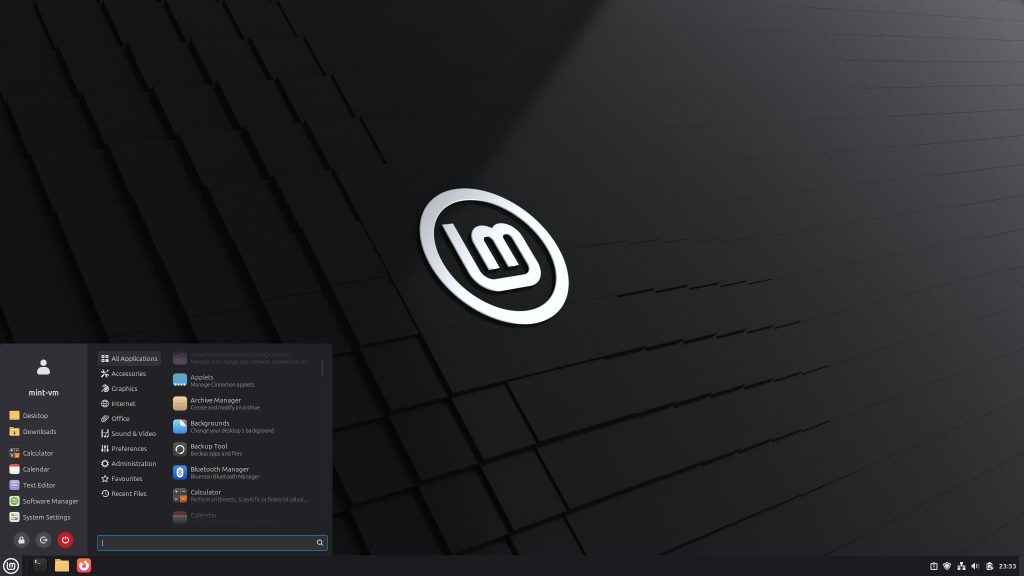
The single biggest reason Windows users gravitate toward Linux Mint is its default Cinnamon desktop environment. With a taskbar along the bottom, a start-menu-style application launcher in the corner, and a system tray on the right, the layout is immediately recognizable to anyone who has spent years on Windows. Users don’t have to relearn where things live or adopt an entirely new workflow. That familiarity lowers the psychological barrier to switching enormously — the operating system feels different under the hood, but not alienating to look at.
It Just Works
Linux Mint ships with a wide range of codecs, drivers, and software pre-installed that many other distributions make users hunt down manually. Media files play out of the box, Wi-Fi and Bluetooth hardware tend to be detected without fuss, and the included software suite — a web browser, office tools, a media player — covers what most people need on day one. For someone who has just wiped Windows and is already feeling a little anxious, not having to immediately troubleshoot missing audio drivers is a meaningful comfort.
Stability Over Cutting Edge
Mint is built on Ubuntu LTS (Long Term Support) releases, which prioritize rock-solid stability over having the very latest software versions. For a new Linux user, this is a gift. The system is unlikely to break after an update, and when something does go wrong, the enormous Ubuntu and Mint communities have almost certainly already documented a fix. Chasing bleeding-edge packages is an adventure best left for later, once a user has found their footing.
A Welcoming Community and Philosophy
The Mint project has always positioned itself as a distribution for regular people, not enthusiasts. Its documentation is written in plain language, its forums are famously patient with beginners, and its developers are transparent about their goals and priorities. That tone matters. Switching operating systems is a bit like moving to a new city, and Linux Mint makes sure there’s someone at the door to say hello.